Monogram and Train Applique Design Review
As a designer who spends more time staring at stitch simulations than I do sleeping, I have learned that not all machine embroidery design files are created equal. Some look fantastic on a screen but turn into a tangled mess of thread breaks and puckering on fabric. Others, however, strike that elusive balance between visual charm and technical reliability. Recently, I spent some quality time evaluating the Monogram and Train Applique Design, and I want to share my practical thoughts on how this piece performs in real-world scenarios.
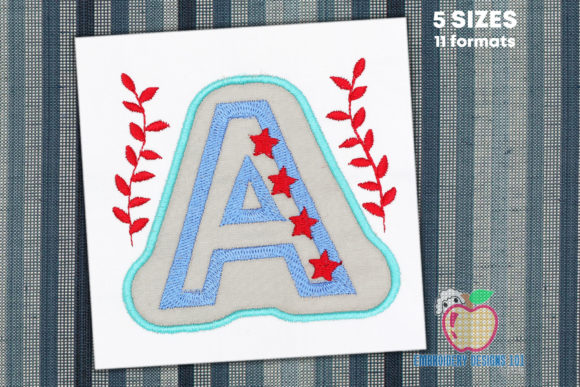
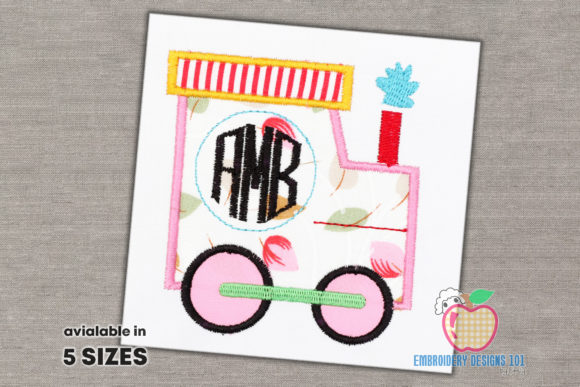
My first impression was one of nostalgic warmth. The layout combines classic monogramming space with a whimsical train motif, creating a mood that is both personalized and playful. This is not just a generic clipart conversion; it feels like a deliberate composition meant for applique design execution. The visual personality suggests movement and childhood wonder, making it an immediate candidate for baby embroidery projects or nursery decor. However, its clean lines also allow it to stretch into broader categories, such as holiday embroidery gifts or even quirky additions to adult custom apparel.
Real-World Application: The Custom Tote Test
To truly understand the value of an embroidery file, you have to imagine it stitched out. I envisioned using this design for a custom canvas tote bag, a staple product for many Etsy sellers and craft business owners. The applique nature of the design is a significant advantage here. By using fabric for the main body of the train rather than relying solely on dense satin or fill stitches, you reduce the overall weight on the garment. This is crucial for tote bags, which need to remain flexible and durable.
The design comes in five sizes, ranging from 4 inches to 8 inches. This versatility is a major selling point. For a standard tote, the 6-inch or 8-inch version would sit comfortably in the center, acting as a bold statement piece. The monogram area allows for personalization, which instantly increases the perceived value of the handmade product. Customers are far more likely to purchase a item that feels unique to them, and this design facilitates that connection seamlessly.
Performance Across Different Hoop Sizes
One of the most practical aspects of the Monogram and Train Applique Design is its compatibility with common hoop sizes. It is suitable for 4x4, 5x7, 6x10, 8x8, and 8x12 hoops. As a reviewer, I appreciate when designers provide this range because it accommodates everything from small embroidered patch creations to large sweatshirt embroidery projects.
If you are working with a 4x4 hoop, you will likely be using the smallest 4-inch version. This is perfect for baby onesies or small pocket details on shirts. However, you must be mindful of the stitch density in these smaller iterations. Tiny details can get lost if the fabric texture is too rough or if the thread thickness is too heavy. I recommend using a finer thread, such as 60-weight polyester, for the smaller sizes to maintain clarity in the running stitch outlines and satin stitch borders.
Conversely, the 8-inch size fits beautifully in an 8x12 hoop, allowing for a substantial presence on items like pillow covers or kitchen towels. In this larger format, the applique fabric becomes the hero. You can experiment with different fabric textures—corduroy for the train body, felt for the wheels—to add tactile depth to your finished product.
Fabric Considerations and Stabilizer Choices
No matter how good the digital preview looks, the fabric you choose will dictate the success of your embroidery project. Because this is an applique design, you are dealing with multiple layers: the base fabric, the stabilizer, the placement stitches, the applique fabric, and the final tack-down stitches.
For stretchy fabrics like jersey knits used in t-shirts or baby clothes, a cut-away stabilizer is non-negotiable. It provides the necessary support to prevent the design from distorting after washing. For woven fabrics like cotton twill or linen, a tear-away stabilizer might suffice, but I often prefer a medium-weight cut-away for longevity, especially if the item is a personalized gift meant to be cherished for years.
Be cautious with dark fabrics. If you are stitching on navy or black, ensure your placement stitches are visible enough to align your applique fabric accurately. A contrasting thread color for the initial running stitch can save you from misaligned trains and frustrated customers. Always test the design on scrap fabric first to check thread color contrast and inspect small details before committing to your final piece.
Commercial Viability for Small Shops
For small shop product creators and digital embroidery file resellers, this design offers strong commercial potential. The combination of a monogram and a recognizable icon like a train appeals to a wide demographic. It works for baby showers, birthdays, and even back-to-school items.
When creating printable mockup images for your online store, remember to showcase the design on various backgrounds. While the product category is listed under Backgrounds in some contexts, here it serves as a focal point. Show it on a soft pastel onesie, a rugged denim jacket, and a crisp white tote. This helps buyers visualize the versatility of the design assets you are offering.
However, always verify the licensing terms. Just because a design is available for purchase does not automatically grant unlimited commercial rights. Confirm whether the license allows for selling finished items or if it restricts you to personal use. This step is critical for maintaining professionalism and avoiding legal issues down the line.
Technical Notes for the Embroiderer
Before you hit "start" on your machine, take a moment to review the detailed stitch count and sizes shown in the product image. Understanding the stitch count helps you estimate production time, which is vital for pricing your commercial embroidery work accurately.
- Check Thread Colors: Plan your palette carefully. The train motif invites creativity, but too many colors can increase thread changes and production time.
- Inspect Corners: Applique corners can be tricky. Ensure your machine’s tension is balanced to prevent looping at the sharp turns of the train cars.
- Test on Curved Surfaces: If you plan to put this on a cap, use the smallest size and a strong stabilizer. Curved surfaces require extra attention to prevent puckering.
- Black and White Mockups: Test the design in grayscale to ensure the contrast between the monogram and the train is clear, regardless of color choices.
In conclusion, the Monogram and Train Applique Design is a solid addition to any embroiderer’s library. It balances aesthetic appeal with technical practicality, making it suitable for both hobbyists and professional apparel decorators. By paying attention to fabric choice, stabilizer selection, and hoop size compatibility, you can create high-quality, profitable items that customers will love. Whether you are making a holiday gift for a niece or stocking your boutique with new tote bag design options, this design delivers consistent, charming results.