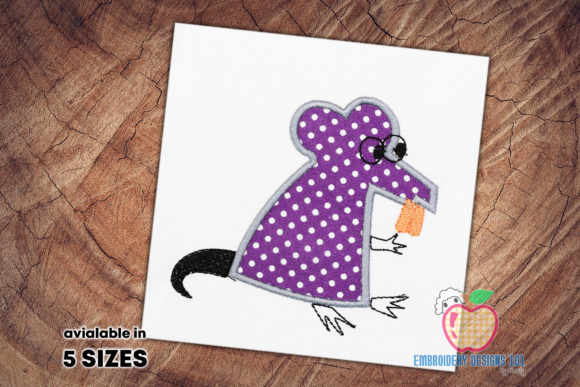
A Mouse Eating Cheese Embroidery Review
As an embroidery designer who spends countless hours digitizing and testing files, I have learned that the charm of a design often lies in its simplicity. When I first encountered A Mouse Eating Cheese on Creative Fabrica, I was immediately drawn to its whimsical narrative. It is not just a static image; it tells a tiny story. For those of us in the handmade community, finding designs that evoke an emotional response is key to creating products that sell. This review explores whether this specific machine embroidery design holds up under the scrutiny of real-world production, from custom apparel to boutique home decor.
First Impressions and Visual Appeal
The initial visual impact of A Mouse Eating Cheese is one of playful innocence. The composition balances the organic curves of the mouse with the geometric angles of the cheese, creating a pleasing contrast. In the realm of Farm Animals embroidery, this design stands out because it focuses on character rather than realistic anatomy. This stylistic choice makes it versatile. It does not look out of place on a child’s item, nor does it feel too juvenile for a quirky kitchen accessory.
The detail level appears moderate, which is a significant advantage for production efficiency. Designs that are overly complex often require excessive thread changes or result in dense stitch areas that can pucker lightweight fabrics. From what I can observe, this design utilizes a mix of satin stitch for outlines and fill stitch for larger areas, ensuring a smooth finish without excessive bulk. The stitching personality feels light and airy, suggesting that it will sit well on various textiles without weighing them down.
Performance in Real Embroidery Projects
To determine the true value of any digital embroidery file, we must imagine it stitched out on actual products. Here is how I envision A Mouse Eating Cheese performing across different applications:
- Custom Apparel and Sweatshirt Embroidery: This design would look adorable on the left chest of a crewneck sweatshirt or a toddler’s tee. The scale seems appropriate for standard hoop sizes, allowing it to be prominent without overwhelming the garment. When working with stretchy fabric like jersey knits, using a cut-away stabilizer is essential to prevent distortion during wear and washing.
- Tote Bag Design and Aprons: Canvas and cotton twill are ideal substrates for this motif. The sturdy nature of these fabrics supports the stitch density well. Placing the mouse near the bottom corner of a tote bag or the bib of an apron creates a focal point that draws the eye. It adds a touch of whimsy to functional items, increasing their perceived value as unique handmade products.
- Nursery Decor and Baby Items: For baby blankets or pillow covers, softness is paramount. If the design includes dense fill areas, I recommend testing on scrap fabric first to ensure the back of the stitching is not scratchy. Using a soft rayon thread can enhance the sheen and tactile feel, making it suitable for sensitive skin.
- Embroidered Patches and Caps: Curved surfaces like caps present a challenge for any embroidery design. Because A Mouse Eating Cheese has a relatively compact footprint, it is a strong candidate for cap embroidery. However, careful hooping and the use of a stiff stabilizer are crucial to maintain shape on the curved brim or front panel.
Practical Considerations for Stitching Success
While the design is described as easy to stitch, successful execution depends on technical preparation. Here are critical factors to consider before loading the file into your machine:
Fabric and Thread Contrast: The visibility of the mouse relies heavily on thread color contrast. On dark fabrics, you may need to adjust the thread palette to ensure the cheese and mouse features pop. Conversely, on light fabrics, subtle tonal variations can create a sophisticated, understated look. Always check thread colors against your fabric swatches before committing to a final product.
Stabilizer Selection: The choice of stabilizer can make or break the finished product. For woven fabrics like linen or cotton, a tear-away stabilizer is usually sufficient. However, for stretchy materials or items that will undergo frequent washing, such as kitchen towels or baby clothes, a cut-away stabilizer provides long-term stability. This prevents the stitches from pulling away from the fabric over time.
Hoop Size and Placement: Although specific dimensions are not listed in the brief description, most designs of this nature fit within a 4x4 or 5x7 hoop. Confirm the hoop size compatibility on the Creative Fabrica product page before purchasing. Proper placement is also key; centering the design requires precision, especially on symmetrical items like pillow covers or aprons.
Test Stitching: Never skip the test stitch. Run the design on a scrap piece of the same fabric you intend to use for the final product. This allows you to inspect small details, check for thread breaks, and assess the overall stitch density. It is better to waste a small piece of fabric than to ruin a finished garment.
Enhancing Product Value and Brand Consistency
For Etsy sellers and small business owners, the choice of design assets directly influences brand identity. A Mouse Eating Cheese fits well within a brand aesthetic that values charm, nostalgia, and handcrafted quality. Using consistent motifs across your product line helps build buyer trust and recognition.
When photographing your finished product, consider the context. A tote bag featuring this mouse paired with a wedge of real cheese and a rustic table setting creates a compelling narrative for social media. These printable mockup styles and lifestyle shots can significantly boost customer engagement. The design’s inherent cuteness encourages sharing, which is invaluable for organic marketing.
Furthermore, this design lends itself well to personalized gifts. Imagine adding a name below the mouse using a complementary font. This transforms a standard embroidered item into a bespoke keepsake, allowing you to charge a premium price. The ability to customize enhances the giftability of the product, making it a popular choice for birthdays, baby showers, and housewarmings.
Licensing and Commercial Use
Before selling any finished items, it is imperative to review the license terms provided on the Creative Fabrica product page. Most designs on the platform come with a commercial license that allows you to sell physical finished products, but restrictions may apply to digital resale or mass production. Ensure you understand the boundaries of the license to protect your business.
Additionally, verify the file formats included. Common formats include PES, DST, JEF, and EXP, among others. Confirm that your embroidery machine supports at least one of the provided formats. If you are unsure, consult your machine’s manual or contact the designer through the platform for clarification.
Final Verdict
A Mouse Eating Cheese is a charming addition to any embroidery designer’s library. Its versatility across various fabrics and products, from custom apparel to home decor, makes it a practical choice for commercial embroidery. By paying attention to stabilizer selection, thread contrast, and proper hooping techniques, you can produce high-quality finished products that delight customers. Whether you are creating a personalized gift or stocking your Etsy shop with unique handmade items, this design offers the whimsical appeal needed to stand out in a crowded market. Always remember to test thoroughly and respect licensing terms to ensure a smooth and profitable production process.