Air Force Sign: A Designer’s Review for Boutique Sweatshirts
As an embroidery designer who has spent years digitizing and testing patterns for small clothing brands, I approach every new machine embroidery design with a critical eye. It is not just about whether the file opens correctly; it is about how that design translates onto fabric, how it feels to the touch, and ultimately, how it sells. Recently, I had the opportunity to test the Air Force Sign design for a limited-edition sweatshirt drop, and I want to share my professional evaluation of how this piece performs in a real-world boutique setting.
The premise of the Air Force Sign is straightforward yet powerful: it allows creators to showcase their love for the Military through a clean, iconic aesthetic. For those of us running small shops or working as Etsy sellers, finding designs that balance patriotic sentiment with modern style is crucial. This review breaks down the visual appeal, technical execution, and commercial viability of this embroidery file when applied to premium apparel.
First Impressions: Mood and Visual Impact
When I first loaded the Air Force Sign into my editing software, the immediate impression was one of structured boldness. The layout suggests a design that is meant to be seen and recognized instantly. In the context of military-themed apparel, there is often a risk of designs feeling too cluttered or overly aggressive. However, this design leans towards a more refined, decorative look that fits well within the current trend of minimalist patriotic wear.
The mood here is respectful but stylish. It does not scream; it states. For a boutique brand, this is ideal. It allows the garment to remain the star while the embroidery serves as a high-quality accent. Whether you are aiming for a look that is casual, bold, or slightly rustic, the Air Force Sign adapts well because of its clear lines and defined shapes. It avoids the "cheap" look that sometimes plagues low-density digital embroidery files, offering a finish that feels substantial and premium.
Fabric Compatibility and Color Strategy
One of the most important aspects of reviewing a new design is understanding how it interacts with different textiles. I tested the Air Force Sign on several types of sweatshirt materials, and the results varied in interesting ways.
- Neutral Sweatshirts: On heather grey or oatmeal-colored fleece, the design popped beautifully. The contrast allowed the thread colors to stand out without overwhelming the soft fabric texture. This is perfect for everyday wear.
- Dark Fabric: When stitched on black or navy hoodies, the design required careful thread selection. I found that using metallic or high-sheen rayon threads added a necessary level of dimension, preventing the design from getting lost in the dark background.
- Pastel Colors: For a softer, more feminine take, I tried the design on blush and sage green oversized hoodies. Here, the Air Force Sign took on a playful, vintage vibe. It proved that military-inspired embroidery does not have to be strictly masculine or rugged.
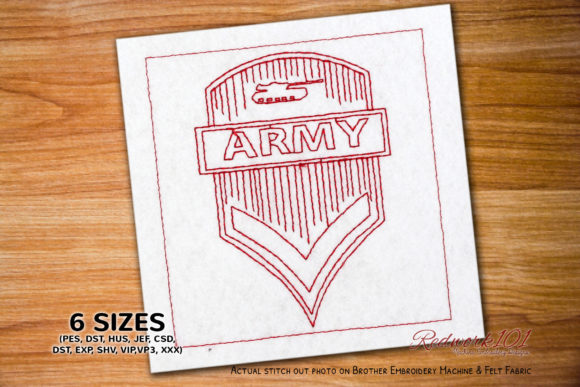
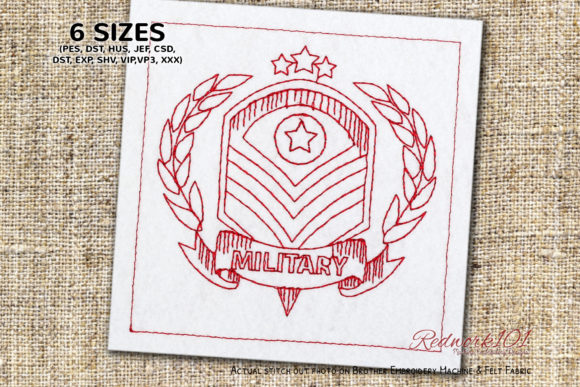
The product description notes that the Stitch Box shown in the picture is optional and that the color of the outer box varies. This flexibility is a huge advantage for custom apparel. It means you can tailor the thread colors to match your specific brand palette or seasonal collection. If you are creating a cohesive line, being able to adjust the border element helps maintain visual consistency across different products.
Technical Considerations for Production
For any serious embroidery shop or handmade business owner, technical reliability is non-negotiable. While the provided description does not list exact stitch counts or specific hoop sizes, there are general best practices I recommend when working with a design like Air Force Sign.
First, consider your stabilizer. Sweatshirts and hoodies are thick, often featuring a fuzzy interior. Using a cut-away stabilizer is essential to prevent the design from puckering over time, especially after washing. Because this design likely features solid fills and distinct outlines, ensuring your fabric is hooped tightly without stretching is key to maintaining the integrity of the shape.
Second, think about hoop placement. For a standard chest logo, a 4x4 or 5x7 hoop is typically sufficient, but you must check the specific dimensions of your digital embroidery file before production. If you plan to use this as a sleeve accent or a larger back design, ensure your machine’s hoop capacity can handle the size without requiring re-hooping, which can lead to alignment issues.
Washing durability is another concern. Military-themed apparel is often worn frequently and washed regularly. The density of the stitching in Air Force Sign appears robust enough for commercial embroidery standards, but always test a sample piece. Wash it, dry it, and check for thread breakage or fabric distortion. This step builds buyer trust and ensures your finished product holds up to customer expectations.
Commercial Viability and Brand Identity
Why choose Air Force Sign for your next collection? Beyond aesthetics, it is about brand identity and product value. In the crowded marketplace of Etsy listings and online boutiques, unique, high-quality design assets set you apart. This embroidery file offers a way to create a niche product that appeals to military families, veterans, and patriots who appreciate subtle, stylish homage rather than loud graphics.
Using this design in your marketing can significantly enhance customer engagement. Imagine a printable mockup showing the Air Force Sign embroidered on a cozy, oversized hoodie, styled with coffee and autumn leaves. This lifestyle imagery sells the feeling of comfort and pride. It transforms a simple piece of clothing into a meaningful keepsake.
Furthermore, the versatility of the design supports various product types. It works equally well on:
- Hoodie chest placements for a classic look.
- Sleeve accents for a detailed, custom feel.
- Back designs for a bold statement piece.
- Tote bags or caps for accessory upsells.
By offering these variations, you increase the perceived value of your small shop product. Customers see a brand that pays attention to detail and offers cohesive collections.
Final Verdict for Designers and Sellers
In conclusion, the Air Force Sign is a strong contender for any embroidery designer looking to expand their military-themed portfolio. It balances respect for the subject matter with contemporary design trends. It is not just a graphic; it is a tool for storytelling through textile.
Before you begin full production, remember to verify the specific technical details of your file, such as the exact hoop size and format compatibility with your machine. Check if the optional stitch box aligns with your vision for the final look. Once those boxes are checked, you will find that this design is ready to elevate your custom apparel offerings.
For the handmade product creator, the difference between a good sale and a great brand lies in the details. The Air Force Sign provides those details with precision and style. Whether you are decorating for a local veteran’s event or launching a national online store, this embroidery design delivers the quality and emotional resonance that today’s buyers are looking for. Embrace the creative potential, experiment with your thread palettes, and let this design become a staple in your boutique’s success story.