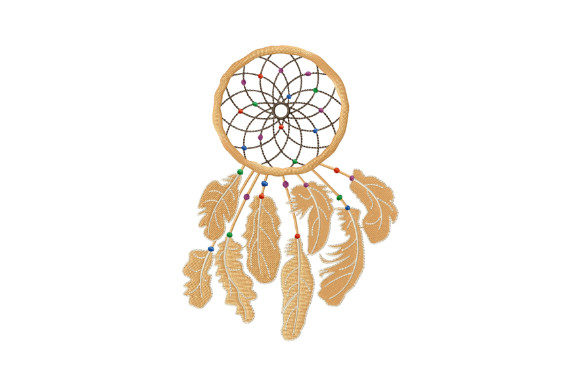
Mystic Dreamcatcher: A Designer’s Review for Craft Fairs
As an embroidery designer who has spent countless weekends behind a vendor table, I know that not every design translates into a bestseller. Some look beautiful on a screen but fail to capture attention in a bustling market environment. Today, I am reviewing Mystic Dreamcatcher, a machine embroidery design featuring sacred feathers, to determine its viability for craft fair products and handmade market goods. This piece sits at the intersection of spiritual symbolism and decorative art, making it a compelling candidate for sellers in the Religion and Embroidery niches.
First Impressions: Visual Impact and Mood
The first thing that strikes me about Mystic Dreamcatcher is its inherent balance between elegance and rustic charm. The inclusion of sacred feathers suggests a design that is both protective and aesthetically pleasing. It does not scream "loud" or "funny"; instead, it projects a soft, premium, and slightly bohemian vibe. For a craft fair booth, this is crucial. Customers walking past rows of colorful items are often drawn to designs that offer a sense of calm or meaningful connection. The belief that a dream catcher protects the sleeper from evil spirits adds a narrative layer that can significantly boost buyer engagement. When a customer asks, "What is this?" you have an immediate story to tell, which is half the battle in selling handmade products.
Product Versatility: Where Does It Shine?
To maximize sales, we must consider where this digital embroidery file performs best. Based on the description, here is how I would deploy this design across various small shop products:
- Tote Bag Design: This is arguably the strongest application. A large-scale Mystic Dreamcatcher centered on a canvas tote creates an instant statement piece. The circular nature of the dreamcatcher fits perfectly within the square or rectangular canvas of a bag, allowing the feathers to flow naturally downward.
- Apron Embroidery: Placing the design on the bib of a linen or cotton apron adds a touch of whimsy and protection to kitchen wear. It appeals to buyers looking for unique, giftable handmade items for housewarmings.
- Tea Towel Embroidery: For kitchen textiles, scale is key. If the design allows for resizing without losing clarity, it works beautifully on the corner or center of a flour sack towel. However, one must be cautious with fabric texture; thick terry cloth may obscure fine details.
- Embroidered Patch: Creating iron-on or sew-on patches is a fantastic way to utilize leftover hoop time. A compact version of the dreamcatcher can be sold as a standalone accessory or used to customize denim jackets and backpacks.
- Pillow Covers: Home decor items benefit from the symmetrical balance of a dreamcatcher. It serves as a focal point on neutral-colored pillows, enhancing the visual appeal of a living space.
Production Practicality for the Busy Seller
When preparing for a weekend craft fair, efficiency is paramount. We need designs that are repeatable for batch production. Mystic Dreamcatcher appears to be a strong contender for this, provided we manage the technical aspects correctly. The design’s structure, likely involving concentric circles and radiating feathers, is generally forgiving regarding registration errors compared to intricate lettering or geometric precision work.
However, we must address practical selling points. How easy is the design to understand at a glance? Very. The silhouette of a dreamcatcher is universally recognized. This immediate recognition reduces the cognitive load for the customer, allowing them to make faster purchasing decisions. Furthermore, the design photographs well for online listings. The contrast between the thread colors and the fabric background can be manipulated to create high-impact images for your Etsy seller profile or social media marketing.
Careful-Use Notes and Technical Considerations
While the aesthetic potential is high, there are technical hurdles to clear before turning this into a finished product. As an experienced designer, I advise paying close attention to the following:
- Stitch Density: Dreamcatchers often feature woven web patterns. If the stitch density is too high in these areas, it can cause puckering, especially on lighter fabrics like tea towels. Always test on scrap fabric first.
- Tiny Details: The sacred feathers may have fine tips. Ensure these do not become lost or tangled during stitching. If the design includes small lettering or intricate inner webs, verify that they remain clear at smaller sizes.
- Fabric Texture and Color: Dark fabric can hide subtle thread color variations. If you choose black or navy material, ensure your thread colors have enough contrast to make the design pop. Conversely, textured towels may require a heavier stabilizer to prevent the design from sinking into the pile.
- Curved Surfaces: If applying this to caps, remember that the curved surface distorts the view. A large, complex design might look stretched or awkward on a front panel. It is often better to use a simplified version or place it on the side for cap embroidery.
Enhancing Brand Consistency and Booth Display
Incorporating Mystic Dreamcatcher into your product line can strengthen your brand consistency if your shop leans towards spiritual, bohemian, or nature-inspired themes. It acts as an anchor piece that ties together various items. Imagine a booth display where the dreamcatcher appears on a tote bag, a matching pouch, and a wall hanging. This repetition creates a cohesive visual identity that makes your booth look professional and curated.
Buyer engagement increases when customers see a design applied across multiple mediums. It shows versatility and quality. Additionally, using a printable mockup to visualize these combinations before stitching can save time and materials. Create at least one real mockup to compare fabric colors and confirm that the hoop size you intend to use accommodates the design comfortably.
Final Designer Verdict
Before launching this as a commercial embroidery product, there are essential steps to take. First, check the specific details of the digital embroidery file. Since the provided description does not list exact stitch count, file format, or specific hoop size requirements, you must verify these with the source. Confirm commercial licensing before selling finished products to ensure you are legally protected.
Review spacing and inspect stitch density on your specific machine. Use the right stabilizer for each fabric type—cut-away for stretchy knits, tear-away for stable wovens. Test thread colors to ensure they complement the spiritual and serene mood of the piece. If executed with care, Mystic Dreamcatcher has the potential to be a standout craft fair product. It combines meaningful symbolism with decorative beauty, offering a tangible sense of protection and style to your customers. For the handmade shop owner looking to expand their Religion and Embroidery offerings, this design is a worthy addition to your library of design assets.