Review: Happy Baby Elephant in Forest Redwork
As an embroidery designer who has spent countless weekends behind a craft fair booth, I have learned that not every design translates into sales. Some look beautiful on a screen but vanish in a crowded market. Others become instant bestsellers because they hit the right emotional note with buyers. Today, I am reviewing Happy Baby Elephant in Forest Redwork from the perspective of a seller preparing for a busy handmade market season. This is not just about aesthetics; it is about viability, production speed, and customer appeal.
First Impressions and Visual Appeal
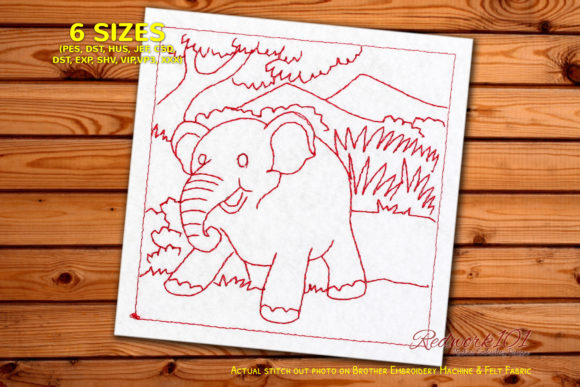
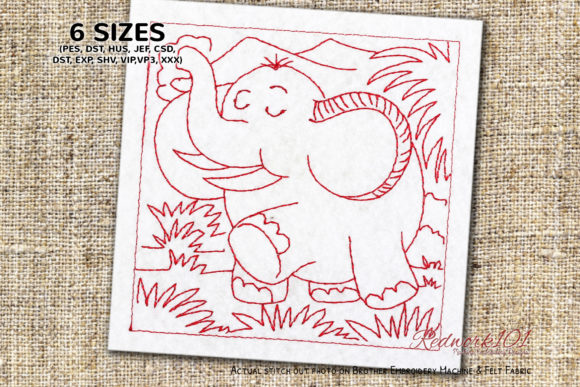
The first thing that strikes me about this design is its simplicity. Redwork is a classic technique, relying on a single thread color to create high-contrast, clean imagery. The title suggests a whimsical scene—a baby elephant in a forest setting—which immediately places it in the popular Baby Animals category. For a craft fair environment, this is gold. Parents and grandparents are constantly looking for items that feel gentle, nostalgic, and safe.
The "forest" element likely adds organic shapes like leaves or trees, which complement the rounded, soft features of a baby elephant. This combination feels rustic yet modern, fitting perfectly into the current trend of farmhouse and nursery decor. It does not scream for attention with neon colors; instead, it invites closer inspection. In a booth display, this subtlety can be powerful. It stands out against white or cream fabrics, creating a crisp, premium look that suggests high-quality handmade product craftsmanship.
Product Versatility for Craft Fair Sellers
When I plan my inventory, I look for designs that work across multiple product types. Happy Baby Elephant in Forest Redwork is highly versatile. Here is how I see it performing on various items:
- Tote Bags: A canvas tote with this design centered is a staple. The redwork style looks intentional and artistic on natural cotton. It serves as an excellent tote bag design for eco-conscious shoppers.
- Tea Towels and Aprons: Kitchen textiles are impulse buys. An apron embroidery or tea towel embroidery featuring this elephant adds charm without overwhelming the fabric’s function. The single-color approach ensures it remains legible even after repeated washing.
- Embroidered Patches: If you sell accessories, turning this into an embroidered patch allows customers to customize their own jackets or bags. It expands your reach beyond pre-made goods.
- Pillow Covers and Nursery Decor: For higher-ticket items, placing this design on linen pillow covers creates a cohesive nursery theme. It appeals to buyers looking for coordinated design assets for a baby shower gift.
For Etsy seller accounts, this design also works well for digital listings. You can offer the digital embroidery file to other crafters, provided you have the correct license. Creating a printable mockup showing the design on various backgrounds can significantly boost online engagement.
Production Practicality and Batch Efficiency
Time is money at a craft fair. One of the biggest advantages of redwork is the potential for speed. Since you are only using one thread color, there are no thread changes during the stitching process. This makes Happy Baby Elephant in Forest Redwork ideal for batch production. You can hoop ten tea towels and let the machine run while you manage customers or package orders.
However, you must consider stitch density. Redwork designs can sometimes use satin stitches that build up thickness. If the forest background is too dense, it may cause puckering on lightweight fabrics. I recommend testing the design on scrap fabric first. Check if the elephant’s features remain clear if you scale the design down for smaller items like pouches or caps. A design that loses clarity at smaller sizes limits your product range.
Technical Considerations for Best Results
To ensure your finished product looks professional, pay attention to these technical details:
- Stabilizer Choice: Use a cut-away stabilizer for stretchy fabrics like t-shirts or knits, and tear-away for woven cottons like tea towels. This prevents distortion around the elephant’s trunk and ears.
- Thread Contrast: Traditional redwork uses red thread on white fabric, but do not be afraid to experiment. Navy blue on cream or forest green on beige can enhance the "forest" theme. Ensure your thread colors provide enough contrast so the design does not blend into the fabric texture.
- Hoop Size: Confirm the required hoop size before purchasing. If the design is large, it may require a 5x7 or larger hoop, which limits the items you can embroider. Smaller hoops allow for more flexibility with caps and small pouches.
- Fabric Texture: Avoid highly textured towels where the stitches might sink in. Smooth cotton or linen blends showcase the crisp lines of redwork best.
Marketing and Customer Engagement
In a busy market, customers scan tables quickly. Happy Baby Elephant in Forest Redwork acts as a visual anchor. Its cute subject matter stops parents in their tracks. When they pick up an item, the clean lines of the embroidery signal quality. This builds trust in your brand. Consistency is key; if you use this design across a collection of baby items, it strengthens your booth’s visual identity.
For online sales, this design photographs beautifully. The high contrast of redwork makes it easy to capture sharp images for your Etsy listings. Use natural light to highlight the texture of the stitches. Include close-up shots that show the precision of the needlework, reinforcing the value of your small shop product.
Important Notes on Licensing and Details
Before you start stitching for sale, verify the licensing terms. The product description notes that "The Stitch Box shown in the picture is optional. The color of the outer Box is a different color in most of the designs unless it is part of the design itself." This implies that the box may be a presentation element rather than part of the stitch file. Always check if the machine embroidery design includes commercial rights for commercial embroidery sales. If the description is vague, contact the designer directly. Never assume a file is free for commercial use.
Additionally, since specific stitch counts and file formats are not detailed in the brief, download a test file if available. Check compatibility with your machine software. Ensure the design does not have excessive jump stitches that could snag on delicate baby clothes.
Final Verdict
Happy Baby Elephant in Forest Redwork is a strong contender for any embroidery business focused on baby and nursery markets. It balances cuteness with classic style, offering high versatility for products ranging from tote bag design applications to home decor. Its single-color nature simplifies production, allowing for efficient batch creation—a crucial factor for craft fair success. By paying attention to fabric choice, stabilizer, and contrast, you can turn this digital asset into a tangible, high-value handmade product that resonates with customers. Whether you are an experienced Etsy seller or a weekend warrior at local markets, this design offers the reliability and charm needed to drive sales.