Review: Little Cute Mermaid Sitting for Merch
As an embroidery designer who has spent years digitizing and testing files for commercial use, I approach every new machine embroidery design with a critical eye. It is not enough for a motif to simply look cute on a screen; it must perform under the needle, hold up to washing, and elevate the brand it represents. Recently, I evaluated Little Cute Mermaid Sitting, a redwork-style piece categorized under Fairy Tales. For small business owners, Etsy sellers, and apparel decorators, this review breaks down how this specific embroidery file translates from a digital asset into a profitable physical product.
First Impressions: Visual Personality and Style
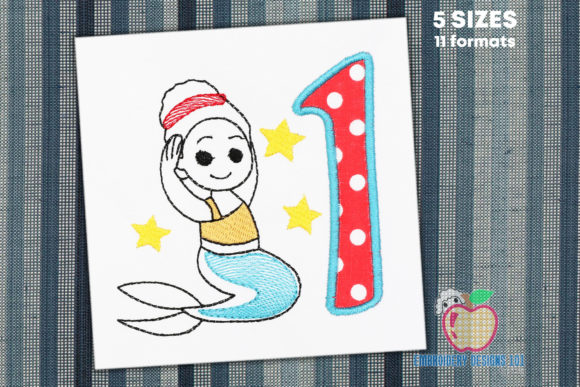
The immediate appeal of Little Cute Mermaid Sitting lies in its simplicity. The description notes that this is a redwork embroidery, which traditionally relies on single-color stitching to create outline-based art. This aesthetic feels inherently handmade, playful, and nostalgic. For a modern boutique or a creative studio, this style bridges the gap between classic craftsmanship and contemporary minimalism. It does not scream "corporate logo," but rather whispers "artisanal care."
Because it falls under the Fairy Tales category, the design carries a whimsical weight. However, its execution as a sitting mermaid suggests a calm, friendly demeanor rather than high-energy chaos. This makes it versatile. It feels professional enough for a children’s boutique yet decorative enough for a seaside café’s branded merchandise. The lack of complex fill stitches means the design relies heavily on line quality. If the digitizing is sharp, the result is elegant; if the spacing is off, it can look cluttered. In my initial assessment, the clean lines suggest a design that prioritizes clarity, which is crucial for small-scale applications.
Real-World Business Applications
When integrating Little Cute Mermaid Sitting into your small business merch lineup, versatility is key. Here is how this design performs across various commercial embroidery projects:
- Embroidered Patches: This is arguably the strongest use case. A redwork design translates beautifully to a twill or felt patch. The single-color nature reduces production costs and allows for easy color customization to match client branding. These patches can be sold as standalone accessories or used to upgrade plain denim jackets and tote bags.
- Apron Embroidery: For bakeries, florists, or craft studios, an apron serves as a walking billboard. Placing this mermaid on the chest pocket or lower corner adds a touch of personality without overwhelming the uniform. The "sitting" pose is compact, making it ideal for limited real estate on garment pockets.
- Tote Bag Design: Canvas totes are staples for handmade brands. The sturdy texture of canvas holds outline embroidery well. Using a contrasting thread color against natural cotton creates a striking visual that appeals to eco-conscious shoppers looking for unique, non-mass-produced items.
- Cap Embroidery: While possible, cap fronts are curved and unforgiving. This design works best if scaled down significantly for a side-panel accent or a small front-center placement. It avoids the bulk that heavy fill stitches would create, ensuring the cap remains comfortable and structured.
- Customer Gifts and Packaging: Small businesses thrive on unboxing experiences. Stitching this motif onto a small muslin bag or a fabric tag attached to a product adds perceived value. It transforms a standard transaction into a memorable brand interaction.
Technical Considerations for Production
While the aesthetic is charming, technical execution determines whether the finished product looks premium or amateur. Since the description states it stitches beautifully on a variety of fabrics, we can assume the digitizer accounted for general pull compensation. However, experienced designers know that context matters.
Stitch density is a critical factor. Redwork designs typically have lower density than filled logos, which is beneficial for lightweight fabrics like chiffon or thin cottons. However, on stretchy materials like jersey t-shirts, even outline stitches can cause puckering if not properly stabilized. I strongly recommend using a cut-away stabilizer for garments that will undergo frequent washing, such as staff uniforms or children’s clothing. For woven fabrics like denim or canvas, a tear-away may suffice, but testing is non-negotiable.
Fabric texture also plays a role. On highly textured materials like terry cloth or fleece, fine outline details can get lost. If you plan to use Little Cute Mermaid Sitting on towels or hoodies, consider increasing the stitch width slightly or choosing a thicker embroidery thread to ensure visibility. Conversely, on smooth sateen or silk, the delicate lines will shine, offering a more elegant, high-end look suitable for boutique lingerie or luxury baby gifts.
Brand Identity and Customer Trust
Your choice of design assets directly influences your brand identity. Using a whimsical, fairy-tale-inspired motif like this mermaid signals to customers that your brand values creativity, nostalgia, and approachability. It builds trust by showing attention to detail. A poorly stitched logo damages credibility, but a crisp, well-executed redwork design enhances the perceived quality of the item.
For Etsy sellers and handmade brands, consistency is vital. If your shop features oceanic themes, children’s wear, or storybook-inspired goods, this design reinforces your visual narrative. It helps in creating a cohesive collection where every item, from a custom apparel piece to a simple patch, feels part of the same family. This visual consistency drives buyer engagement and encourages repeat purchases, as customers begin to recognize your specific stylistic signature.
Practical Designer Notes and Best Practices
Before running a full production batch, follow these steps to ensure quality control:
- Test in Black and White: Before committing to expensive rayon or polyester threads, stitch the design out in black thread on white fabric. This reveals any issues with spacing, jumps, or alignment without the distraction of color.
- Check Scale for Patches: Verify that the details remain distinct when scaled down to patch size. If the tail fins or facial features merge into a blob, the design is too small for that application.
- Review Thread Color Contrast: Redwork relies on contrast. Ensure your chosen thread color stands out against the fabric. A dark navy mermaid on a black shirt will vanish, whereas a cream thread on navy denim pops beautifully.
- Confirm Hoop Size: Although the exact dimensions are not provided in the brief description, always check the required hoop size against your machine’s capabilities. Ensure the design fits comfortably within your standard hoops to avoid re-hooping errors.
- Create a Printable Mockup: Use digital tools to place the design on photos of your actual products. This helps in marketing and allows you to visualize the final look before stitching a single thread.
- Verify Commercial Licensing: The description mentions making "the best gifts ever," but for business use, you must confirm the license terms. Ensure the digital embroidery file purchase includes rights for commercial production, especially if you plan to sell items featuring this design in bulk.
Final Verdict for Small Businesses
Little Cute Mermaid Sitting is a strong contender for businesses targeting the children’s market, coastal themes, or artisanal sectors. Its redwork style offers a cost-effective, versatile solution for commercial embroidery projects ranging from patches to apparel accents. By paying attention to stabilizer choice, fabric texture, and scale, you can leverage this design to create high-value, distinctive merchandise that resonates with customers. Always prioritize a test stitch on your specific material to guarantee the professional finish your brand deserves.