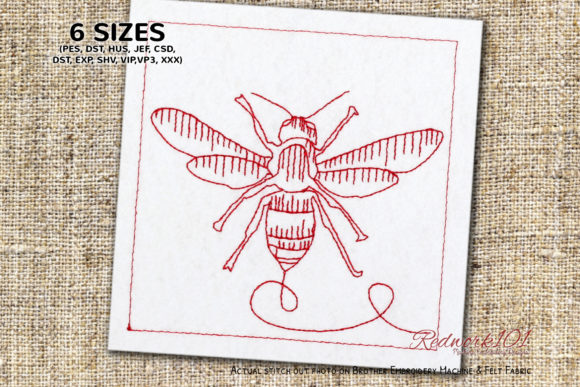
Review: Striped Hornet Wasp Machine Design
As an embroidery designer who has spent years digitizing and testing files for commercial use, I approach every new machine embroidery design with a critical eye. It is not just about whether the image looks pretty on a screen; it is about how that design performs under the needle, how it holds up after washing, and most importantly, how it serves the brand identity of the small business using it. Recently, I evaluated the Striped Hornet Wasp Machine design, and I want to share my professional perspective on its viability for small business merchandise, branded patches, and custom apparel.
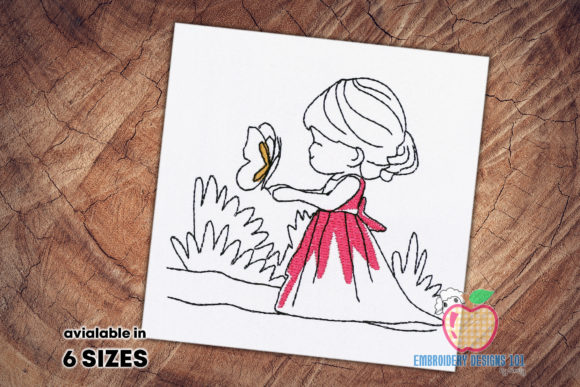
The product description highlights this piece as a beautiful redwork embroidery, ideal for spring projects. For those unfamiliar with redwork, this style typically relies on a single thread color—traditionally red, though modern interpretations vary—to create outline-based imagery. The description also notes that the Box Stitch shown in promotional images is optional and that the outer box color may differ in the actual file. These details are crucial for any apparel decorator or Etsy seller planning to integrate this into their product line.
First Impressions and Visual Personality
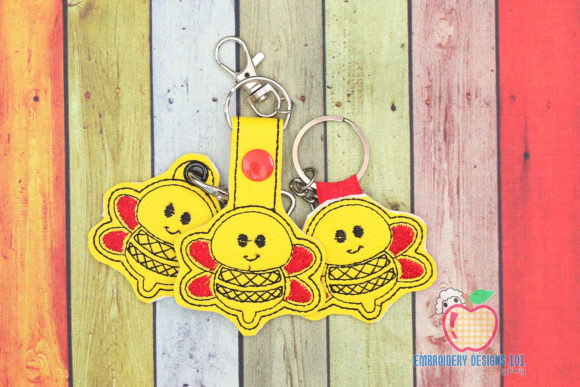
When I first loaded the Striped Hornet Wasp Machine into my editing software, the immediate impression was one of rustic elegance mixed with a touch of playful boldness. The subject matter falls under the category of Bugs, but unlike realistic insect illustrations that can sometimes appear unsettling to customers, this design leans into a decorative, almost folk-art aesthetic. The redwork style gives it a handmade, vintage feel that is currently trending in boutique markets.
This visual personality makes it versatile. It does not scream "corporate," which is a good thing for creative studios, bakeries, florists, and pet brands looking to establish a warm, approachable vibe. However, because it is an outline-based design, it lacks the heavy fill stitches that can make a logo look premium and solid from a distance. Therefore, its success depends entirely on context and placement. It feels more like a charming accent than a dominant corporate logo.
Real-World Applications for Small Business Merch
For small business owners, the question is always: "Where does this fit?" I tested the Striped Hornet Wasp Machine concept across several common merchandise categories. Here is how it performs in real-world scenarios:
- Embroidered Patches: This is perhaps the strongest use case. Because redwork is essentially linear, it translates beautifully to twill or felt backings. A patch allows you to control the fabric texture and stabilizer perfectly, ensuring the lines remain crisp. It works well as a collectible item for nature-themed shops or as a fun add-on for tote bags.
- Apron Embroidery: For bakeries, florists, or craft studios, placing this design on the chest pocket or lower corner of a canvas apron adds a whimsical touch. The open nature of redwork means it breathes well on heavier fabrics without creating a stiff, cardboard-like feel.
- Tote Bag Design: Canvas totes are a staple for handmade brands. The Striped Hornet Wasp Machine offers a great focal point. Since it is likely low in stitch density compared to filled designs, it will not pucker lightweight canvas if proper stabilizer is used.
- Cap Embroidery: Use caution here. While it can work on the side panel or back of a cap, the curved surface of the front panel can distort linear designs. If you choose to put it on a cap, ensure the hoop size is appropriate and that you are using a cap frame to maintain tension.
Technical Considerations and Production Notes
From a technical standpoint, working with redwork requires precision. Since there are no fill stitches to hide imperfections, every jump stitch and thread break is visible. When preparing this digital embroidery file for production, I recommend the following steps:
- Test in Black and White First: Before committing to colored threads, stitch out the design in black thread on white fabric. This allows you to inspect the spacing and line integrity without the distraction of color. It helps you identify any areas where the lines might be too close together, risking thread bunching.
- Check Stitch Density and Spacing: Redwork should have consistent spacing. If the lines are too dense, the fabric may pucker. If they are too sparse, the design may look unfinished. Review the Stripe Hornet Wasp Machine file in your software to ensure the underlay is sufficient to stabilize the top stitching.
- Select the Right Stabilizer: For items that need frequent washing, such as staff uniforms or customer gifts, use a cut-away stabilizer. For decorative items like wall hangings or occasional-use tote bags, a tear-away may suffice, but always test on the actual fabric texture you plan to use.
- Thread Color Contrast: The description mentions redwork, but do not feel limited to red. Consider your brand identity. A navy thread on a white shirt looks professional and nautical; a sage green on beige linen looks organic and earthy. Ensure high contrast so the design remains legible.
Brand Identity and Customer Trust
Using a design like Striped Hornet Wasp Machine impacts your brand identity significantly. It signals that your business values craftsmanship and attention to detail. In the world of commercial embroidery, consistency is key. If this design aligns with your other design assets, it strengthens visual consistency. However, if your brand is strictly modern and minimalist, this rustic bug motif might clash. Always compare it beside your existing logo and typography.
Furthermore, creating a printable mockup before production is essential for client approval. Show your customers how the finished product will look on a shirt, bag, or patch. This reduces returns and increases buyer engagement by setting clear expectations. For Etsy sellers, high-quality mockups featuring this design can significantly boost click-through rates.
Where to Use Caution
While versatile, this design is not without its limitations. Avoid using it on very small patch sizes where the intricate lines of the wasp’s wings or stripes might merge into a blob. Similarly, be cautious with dark uniforms unless you are using a bright, contrasting thread color. The optional Box Stitch mentioned in the description can help frame the design, making it stand out more on busy fabric textures, but ensure the box color complements rather than competes with the main subject.
Finally, always confirm commercial licensing before business use. Just because you purchased the embroidery file does not automatically grant you the right to sell thousands of units without checking the terms. Protect your business by verifying these details upfront.
In conclusion, the Striped Hornet Wasp Machine is a charming, versatile addition to a designer’s library. It excels in applications that benefit from a handmade, artistic touch, such as boutique merchandise and custom apparel. By paying attention to stabilizer choice, thread contrast, and placement, small business owners can leverage this design to create high-value, engaging products that resonate with their customers.