Review: Two Stork in the Nest Lineart for Embroidery
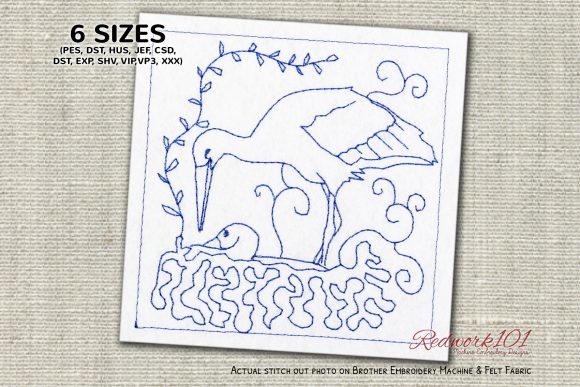
When I first pulled up the Two Stork in the Nest Lineart file on my design software, I was looking for something that balanced simplicity with emotional resonance. As an experienced designer who has stitched thousands of patterns, I know that line art can be deceptively tricky. It relies entirely on clean paths and consistent spacing because there is no dense fill to hide imperfections. This particular design, categorized under Birds, immediately struck me as a strong candidate for projects where subtlety is key. The composition features two storks sharing a nest, a classic motif that evokes themes of family, new beginnings, and partnership.
The visual personality of this piece is calm and organic. Unlike complex photorealistic designs that demand high thread counts and heavy stabilizer use, this line art approach suggests a lighter touch. For a craft business owner or an Etsy seller, this is significant. It means faster stitch times and less risk of fabric puckering, which directly impacts your production efficiency and profit margins. The layout is compact yet breathable, allowing the negative space to play a crucial role in the overall aesthetic.
Real-World Application: The Custom Tote Test
To truly evaluate a machine embroidery design, you have to move beyond the screen and into the hoop. I recently had a client request a set of personalized gifts for a baby shower, specifically asking for items that felt handmade but not overly childish. I chose to test Two Stork in the Nest Lineart on a natural cotton tote bag. This was a strategic choice. Tote bags are popular small shop products, but their canvas texture can sometimes swallow fine details.
I selected a deep navy thread for the storks against the unbleached cotton. The contrast was striking. Because the design uses primarily running stitch and light satin stitch elements rather than heavy fill stitch, the fabric remained flat and flexible. The finished product looked professional and intentional. Customers often judge the quality of a handmade product by how it feels; a stiff, over-stitched design can ruin the drape of a soft garment or bag. This design maintained the integrity of the material while adding a clear, recognizable graphic element.
Versatility Across Product Lines
One of the strongest assets of this embroidery file is its adaptability. While I tested it on a tote, I can easily visualize it working across a wide range of custom apparel and home decor items. For sweatshirt embroidery, the line art style prevents the "cardboard effect" that often happens when large, dense designs are stitched onto fleece or jersey knits. The open nature of the nest and the slender lines of the storks allow the fabric to breathe.
Consider baby embroidery projects. Parents are increasingly drawn to gender-neutral and minimalist aesthetics. This design fits that trend perfectly. It would look charming on a muslin swaddle blanket or a simple onesie, provided you use the correct stabilizer to handle the stretch. For holiday embroidery, particularly spring-themed collections or Easter baskets, the stork motif is timeless. It avoids being tied to a specific year or trend, making it a reliable staple for your digital embroidery file library.
For those selling embroidered patches, this design offers excellent clarity even at smaller scales. The distinct outlines ensure that the two birds remain identifiable without merging into a blob of thread. This is crucial for brand consistency if you are using this as part of a larger collection of nature-inspired design assets.
Technical Considerations and Fabric Choices
While Two Stork in the Nest Lineart is versatile, it requires thoughtful execution. Line art exposes every inconsistency in tension and registration. If your machine is not calibrated correctly, gaps between stitch runs will be visible. I recommend always testing the design on scrap fabric first, ideally the same type you intend to use for the final product. Check thread color contrast carefully. On dark fabric, you may need to adjust the underlay or use a brighter top thread to ensure the lines pop.
Fabric texture plays a major role here. On highly textured materials like terry cloth or heavy wool, fine running stitches can get lost. In such cases, consider slightly increasing the stitch width or switching to a narrow satin stitch for the outlines to improve visibility. For thin or stretchy fabrics, a cut-away stabilizer is non-negotiable to prevent distortion during washing. Since this is a line-based design, any pull or pucker will be immediately obvious along the paths of the storks' wings and the nest structure.
Be cautious with curved surfaces like caps. Hoop size limitations and the curvature of the crown can distort the perspective of the nest. Always create a printable mockup to visualize how the design sits on the curve before committing to stitching. If the design includes any tiny lettering or intricate corners, inspect them closely in your software’s 3D preview. However, based on the description, this design focuses on the visual imagery, skipping unnecessary outer boxes or complex backgrounds, which simplifies the stitching process.
Commercial Value and Buyer Engagement
From a business perspective, this design adds value through its emotional appeal and professional finish. Buyers engage with stories, and the image of two storks in a nest tells a story of care and connection. This enhances the giftability of the finished product. Whether it is a wedding gift, a newborn present, or a boutique branding item, the design communicates warmth without being saccharine.
For digital product sellers, offering this as part of a bundle with other bird-themed motifs could increase average order value. Ensure you confirm licensing before selling finished items or digital products. The description notes that the stitch box shown in pictures is optional and that outer box colors vary, implying flexibility in presentation. This adaptability allows you to customize the look for different market segments without needing multiple separate files.
Final Designer Notes
Before launching this into your production queue, keep these practical tips in mind:
- Test Stitch Density: Even though it is line art, verify that the density is appropriate for your specific thread weight. Thicker threads may require slight adjustments to prevent bulk.
- Stabilizer Selection: Match the stabilizer to the fabric. Use tear-away for stable woven fabrics and cut-away for knits to ensure longevity.
- Color Testing: Run tests in both monochrome and multi-color setups. Sometimes a single-color version offers a more modern, sophisticated look for adult apparel.
- Mockup Verification: Use black and white mockups to check for clarity. If the design loses definition in grayscale, it may lack sufficient contrast in real life.
- License Confirmation: Always double-check the usage rights for commercial embroidery projects to protect your small business.
In conclusion, Two Stork in the Nest Lineart is a refined, practical choice for designers who value clean aesthetics and efficient production. It performs well across various textiles, from sturdy tote bags to delicate baby clothes, provided you respect the technical requirements of line work. It is a solid addition to any portfolio focused on nature, family, and handmade quality.