Bowling Pins and Ball Quick Stitch Review
As an embroidery designer who has spent years curating collections for boutique apparel, I am always on the hunt for designs that balance visual appeal with production efficiency. When I recently browsed the Creative Fabrica embroidery library, the Bowling Pins and Ball Quick Stitch caught my eye. It promised a fun, retro vibe that fits perfectly into the current trend of nostalgic sports aesthetics. For those of us running small clothing brands or Etsy shops, finding a machine embroidery design that stitches quickly without sacrificing charm is essential. This review breaks down how this specific embroidery file performs in real-world applications, from cozy sweatshirts to trendy tote bags.
Visual Personality and Design Mood
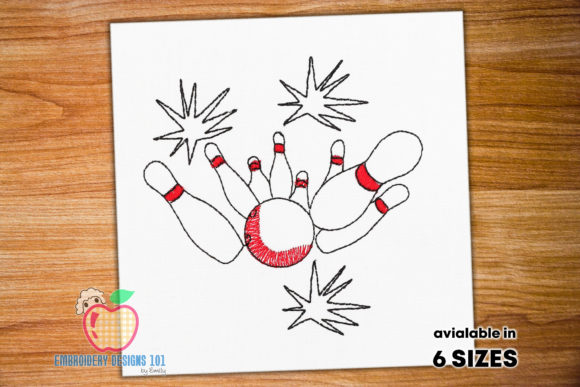
The first impression of the Bowling Pins and Ball Quick Stitch is one of playful simplicity. Unlike dense, photo-realistic designs that can feel heavy on fabric, this design leans into a lighter, more graphic approach. The description notes that these are not 100% filled, which immediately signals to a professional that this will be a faster stitch-out with less risk of puckering. The visual mood is casual and cute, making it ideal for lifestyle products that aim for a relaxed, approachable feel rather than a rigid athletic look.
This aesthetic works beautifully for the Sports category but transcends traditional team wear. It feels trendy and minimal, suitable for a boutique brand targeting customers who appreciate subtle nods to hobbies and leisure activities. The decorative strength lies in its clarity; the shapes are distinct enough to be recognized from a distance, yet simple enough to remain elegant on high-quality garments.
Performance on Boutique Apparel
When planning a new collection, I always consider how a design translates across different fabrics. For sweatshirt embroidery, this design is a standout candidate. The open stitch structure allows the texture of fleece or French terry to show through, creating a nice integration between thread and fabric. On neutral sweatshirts, such as heather grey or oatmeal, the design pops without overwhelming the garment. Pastel hoodies also benefit from this lightness, as the design does not create a stiff patch that disrupts the drape of the soft material.
For darker apparel, such as navy or black hoodies, contrast becomes key. Using bright white or vibrant neon thread colors can make the bowling pins and ball stand out dramatically. However, because the design is not fully filled, it remains breathable and flexible, which is crucial for comfort in oversized garments. When applied to t-shirts, the design holds up well, provided the correct stabilizer is used to prevent distortion on the thinner knit fabric.
Versatility Beyond Clothing
The utility of this digital embroidery file extends beyond just tops. I envision this design working exceptionally well on tote bags, where the durable canvas fabric provides a stable base for the stitches. It adds a touch of personality to everyday accessories, making them perfect for handmade product lines. Additionally, denim jackets offer a rugged backdrop that contrasts nicely with the playful nature of the bowling motif. For creative entrepreneurs looking to expand their small shop product range, this versatility is a significant advantage.
Strategic Placement and Technical Considerations
Placement is critical in custom apparel design. For this particular motif, the chest area is a natural choice for hoodies and sweatshirts. A left-chest placement offers a classic, premium look that appeals to buyers seeking understated style. Alternatively, a larger version centered on the back can create a bold statement piece, especially for oversized fits. Sleeve accents are another trendy option, though one must be cautious of curved surfaces. Since the design includes multiple sizes, as shown in the product image, you can scale it down for sleeves or up for back panels.
However, there are areas where caution is required. Stretchy fabrics and ribbed cuffs can distort embroidery if not properly stabilized. Because this is a Quick Stitch design, it may have fewer tie-offs or underlay stitches than a dense design, so testing on scrap fabric is non-negotiable. Always check the stitch density relative to your fabric weight. On very thin materials, a cut-away stabilizer might be necessary to maintain shape, while a tear-away could suffice for heavier fleece.
It is also important to note what is not explicitly stated in the brief description. The product details do not specify exact hoop sizes, file formats, or machine compatibility. As a professional, I advise readers to confirm these details on the Creative Fabrica product page before purchasing. Ensuring the file format matches your machine (such as PES, DST, or JEF) is vital for a smooth workflow. Similarly, verify the licensing terms to ensure you are covered for commercial embroidery sales if you plan to sell finished items.
Enhancing Brand Value and Customer Engagement
Incorporating designs like the Bowling Pins and Ball Quick Stitch can significantly impact your boutique brand identity. Consistent use of thematic elements helps build product recognition. When customers see a cohesive collection featuring playful, high-quality embroidery, it builds trust in your craftsmanship. This design supports visual consistency because its simple lines pair well with various thread palettes, allowing you to create seasonal variations without changing the core aesthetic.
For Etsy sellers and digital creators, this design is also a asset for marketing. It photographs well, making it easier to create attractive printable mockup images and social media graphics. The clean lines translate clearly in photos, helping potential buyers visualize the finished product. High-quality visuals drive engagement, and a design that stitches cleanly reduces the risk of returns due to poor quality, thereby protecting your reputation.
Practical Designer Notes for Production
Before launching any product line featuring this design, follow these practical steps:
- Test on Scrap Fabric: Always run a test stitch on the exact fabric type you intend to use. This reveals any tension issues or registration errors.
- Check Stabilizer Choice: Match your stabilizer to the fabric weight. Heavy fleece may need less support than a lightweight cotton tee.
- Review Thread Color Contrast: Ensure your thread colors provide enough contrast against the garment color for the design to be legible.
- Confirm Hoop Size: Verify that the largest size of the design fits within your machine’s hoop capacity.
- Inspect Stitch Density: Look at the stitch count and density in your embroidery software to anticipate stitch-out time and fabric pull.
- Compare Placement Options: Mock up the design on different areas of the garment to find the most flattering position.
- Verify Licensing: Double-check the Creative Fabrica license agreement to ensure compliance for selling physical goods.
In conclusion, the Bowling Pins and Ball Quick Stitch is a versatile and efficient addition to any embroidery designer’s library. Its ability to adapt to various apparel types, from hoodie designs to tote bags, makes it a valuable tool for creating diverse custom apparel collections. By paying attention to technical details and leveraging its playful aesthetic, you can create products that resonate with customers and elevate your brand’s professional presentation.