Review: Wild Horse in Forest Quick Stitch Design
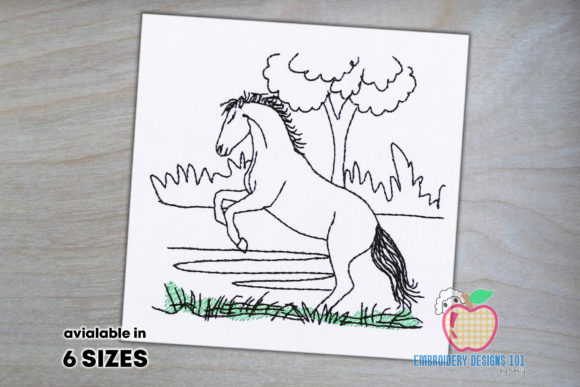
As a designer who spends more time staring at stitch maps than actual thread spools, I have learned to look past the glossy mockups. We all know that a digital preview on a white background rarely tells the whole story. When I pulled up the Wild Horse in Forest Quick Stitch file for a recent client project, my first instinct was to scrutinize the density. In the world of commercial embroidery, "quick" often translates to "cheap," but in this case, the aesthetic intention is quite different. This design embraces an open, airy structure where the fabric remains visible through the stitches. It is not a glitch or a low-resolution error; it is a deliberate stylistic choice that creates a textured, organic feel.
The Aesthetic Appeal of Open Stitching
The immediate mood of this piece is rustic and free-spirited. The subject matter—a horse set against a forest backdrop—leans heavily into nature-inspired themes. However, what sets this apart from standard Horses themed Embroidery is the lack of heavy saturation. Most designers rush to fill every pixel with thread to ensure opacity. Here, the negative space plays a crucial role. The visible fabric texture becomes part of the color palette, blending the thread tones with the garment itself. This approach gives the design a vintage, worn-in quality right out of the hoop, which is increasingly popular in boutique branding and modern farmhouse decor.
For an Etsy seller or small shop product creator, this visual lightness is a significant advantage. Heavy, dense designs can stiffen a garment, making it uncomfortable to wear. By utilizing a lighter touch, the Wild Horse in Forest Quick Stitch maintains the drape and softness of the underlying material. This is particularly important when working with premium fabrics where the hand-feel is a major selling point.
Real-World Application: The Tote Bag Test
To truly evaluate a machine embroidery design, you must imagine it on a specific product. I recently considered this file for a line of canvas tote bags. Canvas has a distinct weave, and heavy fill stitches can sometimes pucker the material if the stabilizer isn't perfect. Because this design is not 100% filled, it sits beautifully on medium-weight canvas. The open stitching allows the natural texture of the bag to shine through, creating a cohesive look rather than a plastic-like patch of thread sitting on top of the fabric.
If you are preparing a custom apparel item, such as a sweatshirt or a fitted tee, the results will vary based on the fabric texture. On a smooth, high-thread-count cotton, the design will appear crisp and detailed. On a heathered jersey or a textured linen, the open stitches will blend more seamlessly, creating a softer, more integrated image. This versatility makes it an excellent candidate for a personalized gift where the recipient might prefer subtlety over bold graphics.
Considerations for Dark and Stretchy Fabrics
While the open style is charming, it requires careful handling on dark fabrics. Since the fabric shows through, a black shirt will fundamentally change the look of the design compared to a white one. The colors may appear darker or muted because the background absorbs light rather than reflecting it. I strongly advise running a test stitch on scrap fabric of the same color and weight before committing to a final finished product. If you are stitching on dark material, consider using a lighter underlay or adjusting your thread colors to ensure sufficient contrast.
Stretchy fabrics present another challenge. Any embroidery file with significant coverage can restrict stretch. While this design is lighter than average, the placement matters. Avoid placing it directly over areas of high tension, such as the chest of a tight-fitting athletic shirt. For a baby embroidery project, such as a onesie, ensure you use a cut-away stabilizer to support the stitches without compromising the comfort of the infant’s skin.
Technical Performance and Stitch Clarity
From a technical standpoint, the layout of the Wild Horse in Forest Quick Stitch is forgiving. The lack of dense fill stitch areas means there is less risk of thread breaks or needle heating during long production runs. This makes it a viable option for commercial embroidery shops looking to reduce machine downtime. However, the trade-off is that small details must be handled with precision. Without solid fills, the definition of the horse’s features relies entirely on the accuracy of the running stitch and satin elements.
I recommend checking the stitch density settings in your software if you plan to resize the design significantly. Shrinking it too much could cause the stitches to overlap unintentionally, losing that intended open look. Conversely, enlarging it too much might make the individual stitches look sparse and unfinished. Always confirm the recommended hoop size before starting. If the design is near the edge of your hoop, ensure your stabilizer is hooped tightly to prevent shifting.
Enhancing Brand Consistency and Value
For craft business owners, consistency is key. This design fits well within a broader collection of nature-themed design assets. It pairs nicely with botanical elements, simple typography, or other wildlife motifs. Using a consistent stitching style across your printable mockup previews and actual products builds trust with buyers. They learn to recognize your signature look—light, breathable, and textured.
When listing this as a digital embroidery file or selling the handmade product, be transparent about the design style. Explain that the visible fabric is intentional. This education helps manage customer expectations and reduces returns due to perceived "missing" stitches. Highlighting the artistic intent can actually increase the perceived value, positioning the item as a thoughtful, artisanal piece rather than a mass-produced commodity.
Final Verdict for Designers and Makers
The Wild Horse in Forest Quick Stitch is a refreshing departure from the overly saturated norms of digital Embroidery. It offers a practical, stylish solution for designers who want to create comfortable, visually appealing items without the bulk of heavy thread coverage. Whether you are creating a holiday embroidery gift, a tote bag design for a local market, or a unique embroidered patch for a jacket, this file provides a solid foundation.
Remember to test your thread colors against your chosen fabric, especially if working with dark or textured materials. Verify the licensing terms if you plan to sell the finished items, as rules can vary between designers. With proper preparation and an eye for detail, this design can elevate your small shop product lineup, offering customers a piece that feels both modern and timeless. It is a reminder that sometimes, less thread indeed means more impact.