Cute Footprint: A Designer’s Review for Real Projects
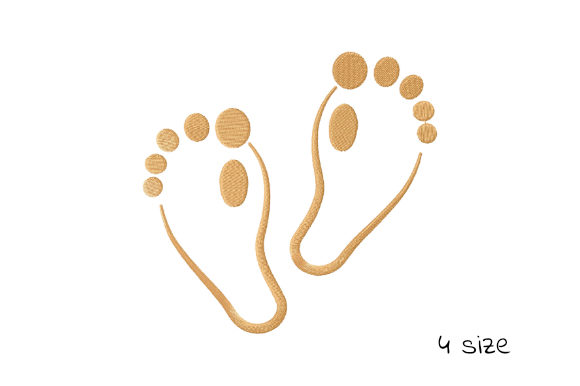
When I first pulled up the Cute Footprint design on my screen, I wasn’t looking for just another generic motif to fill space. As a designer who spends half my life digitizing and the other half stitching out test runs, I look for intent. Does this design have a soul? Does it translate well from vector lines to actual thread on fabric? The footprint is often treated as a cliché in the world of embroidery, but when executed with care, it becomes a powerful symbol of connection—between earth and sky, or in a more grounded sense, between a maker and their customer.
This particular file, categorized under Boys, offers a versatility that surprised me. While it fits neatly into nursery themes, its clean lines and balanced proportions make it suitable for a much wider range of applications. Let’s walk through how this design performs in the real world, away from the polished preview images.
First Impressions and Visual Personality
The immediate mood of Cute Footprint is gentle yet structured. It avoids the overly cartoonish exaggeration seen in many low-quality files, opting instead for a shape that feels organic. The layout suggests a thoughtful approach to stitch density. In machine embroidery, density is everything. Too dense, and your fabric puckers; too sparse, and the backing shows through. This design appears to strike a middle ground, likely utilizing a mix of fill stitch for the main body and potentially satin stitch or running stitch for finer details, though you must always check the specific stitch types in your software before hooping.
For an Etsy seller or craft business owner, visual clarity is currency. A muddy design kills perceived value. This footprint maintains its integrity at various scales, which is crucial since it comes in four sizes. Whether you are creating a tiny embroidered patch for a denim jacket or a larger statement piece for a tote bag design, the silhouette remains recognizable.
Real-World Application: The Custom Sweatshirt Test
To truly evaluate an embroidery file, you have to imagine it on a difficult surface. I recently considered using this design for a custom sweatshirt embroidery project for a client wanting a minimalist aesthetic. The challenge with sweatshirts is the texture. Fleece and French terry can swallow small details if the stitch count isn’t optimized.
Because Cute Footprint is available in four sizes, I could select the medium option to ensure the details didn’t get lost in the fabric pile. The result was a crisp, professional finish that elevated the garment from basic apparel to a personalized gift worth paying a premium for. It didn’t look like a mass-produced transfer; it looked like intentional handmade product craftsmanship. This is the kind of quality that builds customer trust and encourages repeat buyers in a small shop product lineup.
Versatility Beyond Baby Items
While the category says Boys, limiting this design to infant wear would be a mistake. I see strong potential for:
- Custom apparel: Placed subtly on the cuff of a shirt or the hem of jeans for a unique detail.
- Holiday embroidery: Paired with text for Christmas ornaments or stocking stuffers.
- Tote bag design: A central motif for eco-friendly canvas bags, appealing to nature lovers.
- Aprons and kitchen towels: Adding a whimsical touch to home goods.
The symbolism of the footprint—contact between earth and sky—resonates well with outdoor enthusiasts and hikers. Imagine this stitched onto a durable canvas cap or a rugged backpack. It transforms a standard item into a piece of commercial embroidery art that tells a story.
Technical Considerations and Fabric Choices
No design is universal. There are scenarios where you need to exercise caution with Cute Footprint. If you are working with thin fabric like silk or lightweight rayon, the stitch density might cause pulling. Always use a appropriate stabilizer. For stretchy fabrics, a cut-away stabilizer is non-negotiable to prevent distortion after washing.
Dark fabrics present another challenge. If you are stitching a light-colored footprint on black cotton, you must ensure there are no gaps in the fill. A digital embroidery file might look perfect on screen, but thread has thickness and shadow. I recommend running a test on scrap fabric first. Check the thread colors for contrast. Sometimes, swapping a standard white for a slightly off-white or cream can reduce glare and make the design look more sophisticated on dark backgrounds.
Also, consider the hoop size. While the design comes in four sizes, ensure your machine’s hoop can accommodate the largest version if you plan to use it for bigger items like pillow covers or blankets. Never force a design into a hoop that is too small, as this leads to misalignment and poor stitch quality.
Enhancing Product Value and Brand Consistency
For digital product sellers and creative entrepreneurs, the value of a design lies in its reliability. When you sell a finished product, the embroidery is the focal point. A clean, well-digitized footprint signals professionalism. It suggests that you care about the details, which translates to higher buyer engagement and better reviews.
Use this design to create consistent design assets for your brand. If you offer a line of baby products, use the smallest size for onesies and the medium for bibs. This consistency helps customers recognize your brand style. For printable mockup creation, ensure you photograph the stitched result in good lighting to show the texture of the threads. Real photos sell better than digital renderings because they prove the design works in reality.
Practical Designer Notes
Before you commit to a large production run or list this in your Etsy shop, keep these practical tips in mind:
- Test on Scrap Fabric: Always stitch out a sample on the same type of fabric you intend to use for the final product. This reveals any tension issues or density problems.
- Check Licensing: Confirm whether the license allows for commercial embroidery sales. Most designers allow selling finished physical items, but restrictions may apply to selling the digital file itself.
- Inspect Small Details: Zoom in on the design in your embroidery software. Look for tiny jumps or unnecessary trims that might slow down your machine or cause thread breaks.
- Contrast Matters: Test the design in black and white mockups to ensure the shape holds up without color reliance. This is crucial for accessibility and visual impact.
- Stabilizer Selection: Match your stabilizer to your fabric. Tear-away for stable woven fabrics, cut-away for knits and stretchy materials.
In conclusion, Cute Footprint is more than just a cute icon. It is a versatile, well-balanced machine embroidery design that respects the limitations of the medium while offering creative freedom. Whether you are decorating a baby embroidery project or adding a subtle touch to adult custom apparel, this design delivers the quality needed to stand out in a crowded market. Treat it with the technical respect it deserves, and it will become a reliable staple in your embroidery project toolkit.