Little Cat: A Designer’s Review for Real Projects
As a designer who spends more time staring at stitch maps than actual thread spools, I have learned that the difference between a good machine embroidery design and a great one often comes down to usability. We see thousands of files pass through our libraries, but only a few earn a permanent spot in our go-to folder for client work. Recently, I pulled Little Cat into my workspace to evaluate its potential for a batch of custom orders. What started as a quick compatibility check turned into a deeper look at how this design performs in real-world embroidery project scenarios.
First Impressions: Mood and Visual Personality
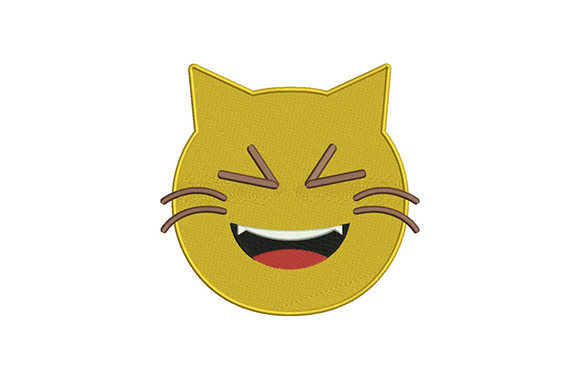
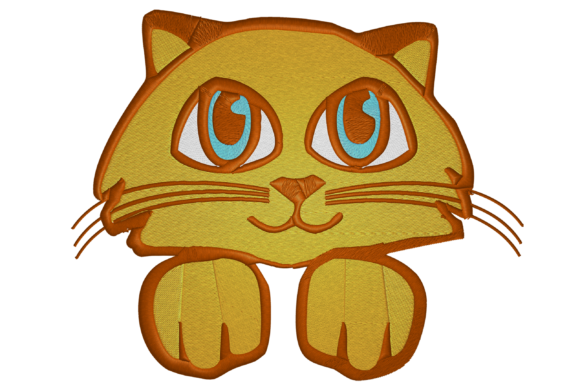
The first thing that strikes you about Little Cat is its approachable charm. It does not try to be overly complex or photorealistic, which is often a trap for beginner-friendly designs. Instead, it relies on clean lines and a playful silhouette that reads well from a distance. The mood is lighthearted and whimsical, making it an immediate fit for projects that aim to evoke warmth or nostalgia. For those of us selling handmade product items, this visual personality is crucial. It signals "friendly" and "approachable" before the customer even touches the fabric.
In terms of layout, the design feels balanced. It avoids the common pitfall of having too much weight on one side, which can cause hoop burn or fabric distortion during stitching. The simplicity of the shape suggests that it was built with efficiency in mind, likely utilizing a mix of satin stitch for outlines and fill stitch for body coverage, though the exact balance depends on the specific file version you select. This makes it versatile enough to sit comfortably on both casual wear and slightly more refined home decor items.
Real-World Application: From Tote Bags to Sweatshirts
To truly test Little Cat, I moved beyond digital mockups and considered its application on physical goods. I recently worked on a series of canvas tote bag design concepts for a local bookstore, and this cat motif felt like a natural contender. On heavy cotton canvas, the design’s structure holds up well, providing a crisp contrast against the textured background. The fabric texture of the tote allows the stitches to sink in slightly, giving the finished piece a premium, integrated look rather than sitting awkwardly on top like a sticker.
I also evaluated its potential for sweatshirt embroidery. Fleece and French terry can be tricky due to their pile and stretch. However, because Little Cat is described as easy to stitch, it implies a manageable stitch density. When working with these thicker materials, a design that is too dense can create a stiff, cardboard-like patch on the garment. This design appears to breathe enough to maintain the softness of the sweatshirt while still delivering a clear image. It would work equally well for custom apparel lines targeting younger demographics or pet lovers.
For baby embroidery projects, such as onesies or burp cloths, the scale becomes critical. The "little" in the name suggests a compact footprint, which is ideal for small garments. However, one must ensure the details are not so fine that they get lost in the wash or irritate sensitive skin. If the design uses primarily satin columns rather than intricate tiny fills, it remains soft to the touch, a key selling point for parents buying a personalized gift.
Navigating Technical Challenges
While Little Cat is marketed as high quality and easy to stitch, no design is immune to poor execution. There are specific scenarios where you need to proceed with caution. If you are planning to use this on dark fabric, your choice of thread colors becomes paramount. A lack of contrast can make the design disappear. I always recommend running a test on scrap fabric using the exact stabilizer and thread combination you plan to use for the final product. This is especially true if you are new to working with the specific embroidery file formats provided.
Another area of concern is curved surfaces, such as caps or hats. Embroidering on a curved brim requires careful hooping and often a different approach to digitizing. If Little Cat has wide, flat areas of fill, it might pucker on a cap unless properly stabilized with a cut-back stabilizer. Similarly, if you are using it for an embroidered patch, you must consider the edge finishing. Does the design have a clean border that can be easily merrowed or laser-cut? If the edges are jagged or rely on loose running stitches, the patch may fray over time.
It is also worth noting that while the description states it comes with multiple file formats, you must verify which ones are included before purchase. Ensure your machine can read the specific extension provided. Whether you are an Etsy seller or a hobbyist, compatibility issues can halt production instantly. Always check the hoop size requirements as well. A design that barely fits in a 4x4 hoop leaves no room for error in positioning, whereas a design scaled for a 5x7 hoop offers more flexibility for placement on larger items like pillow covers or aprons.
Commercial Value and Brand Consistency
For craft business owners and small shop product creators, consistency is key. Little Cat offers a reliable aesthetic that can help build brand recognition. If your shop specializes in whimsical, animal-themed goods, this design fits seamlessly into a broader collection. It enhances the perceived value of the finished product because it looks intentional and professional, not like a clip-art afterthought.
When creating printable mockup images for your online store, the clarity of this design shines. It photographs well because the shapes are distinct. This helps in creating compelling design assets for social media marketing. Customers are more likely to engage with images where the embroidery detail is crisp and visible. Furthermore, for holiday embroidery gifts, such as Christmas stockings or Easter baskets, the timeless nature of a cat motif ensures it does not feel dated after the season passes.
Practical Notes for the Embroiderer
Before you commit to a large run of commercial embroidery using Little Cat, take these practical steps. First, inspect the stitch sequence in your software. Look for any unnecessary jumps or trims that could slow down your machine. Second, consider the applique design potential. Could this shape be simplified further by using fabric applique for the body and only stitching the details? This might reduce stitch count and production time, increasing your profit margin.
Finally, always confirm the licensing terms. Just because a design is high quality does not automatically mean it is cleared for unlimited commercial use. Verify whether you can sell the digital embroidery file itself or only the physical items created with it. Protecting your business legally is just as important as the technical quality of the stitch-out.
In conclusion, Little Cat stands out as a versatile, user-friendly option for designers looking to add a touch of playfulness to their repertoire. It bridges the gap between amateur charm and professional execution, making it a solid choice for everything from Cats themed nursery decor to branded merchandise for pet boutiques. By paying attention to fabric choice, stabilization, and thread contrast, you can ensure that every stitch contributes to a high-quality final product that customers will love.